// Automotive occupant restraint components & OEM supply

Seat Belt OEM Supplier Send Enquiry
AP.0 Application Areas

Applications for Seat Belt Systems

Restraint requirements change with the vehicle, the seat, the use and the applicable requirements. This page sets out the application areas an enquiry usually falls into, and what drives the answer in each.

Application areas
Six
Determined by
Vehicle, seat, use, requirements
Approach
Application before part
AP.1 Why Application Matters

The Same Component, Two Different Answers

Restraint requirements vary with vehicle architecture, seating layout, how the vehicle is used, and the requirements applicable to that vehicle and market. Two installations that look similar can call for different components — which is why the application, not the part, is the right place to start.

Set by the vehicle
Anchorage positions, belt routing, seat structure, available space
Set by the use
Duty cycle, frequency of use, operating environment
Set by the seat
Seating position, seat type, mounting arrangement
Set by requirements
What is applicable to that vehicle category and market
AP.2 Application Areas

Where Seat Belt Components Are Applied

The areas below describe the kinds of application an enquiry commonly falls into, and what tends to drive the selection in each. They are descriptive categories, not a statement of stock held against them.

Passenger VehiclesAPP / 01

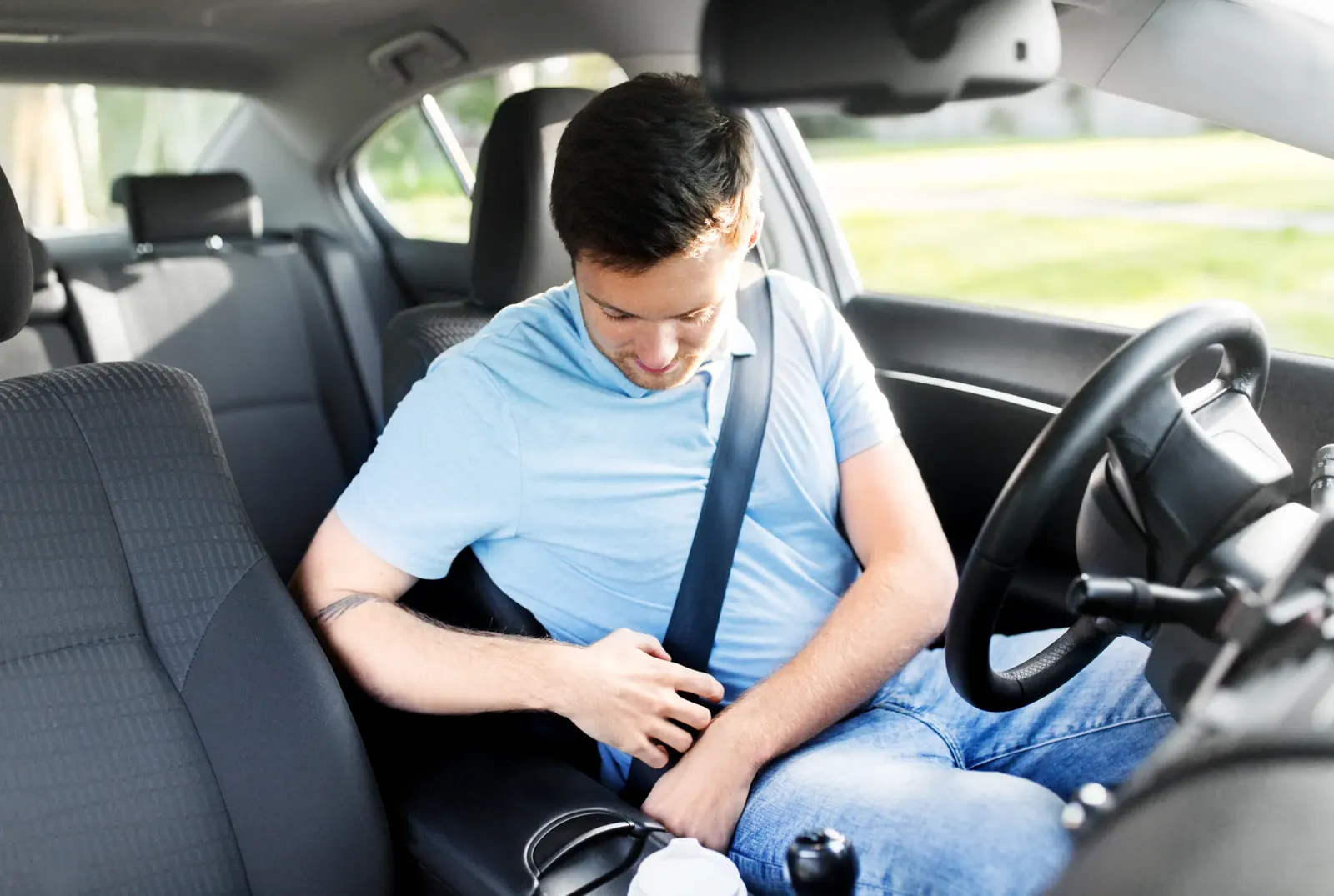
Cars and passenger utility vehicles, across front and rear seating positions. Belt geometry here is closely tied to the body structure — the pillar, the upper anchorage position and the seat design between them determine where the shoulder section sits.

What usually drives selection

  • Seating position, and whether it is outboard, centre or a folding arrangement.
  • Retractor mounting within the pillar or the seat structure.
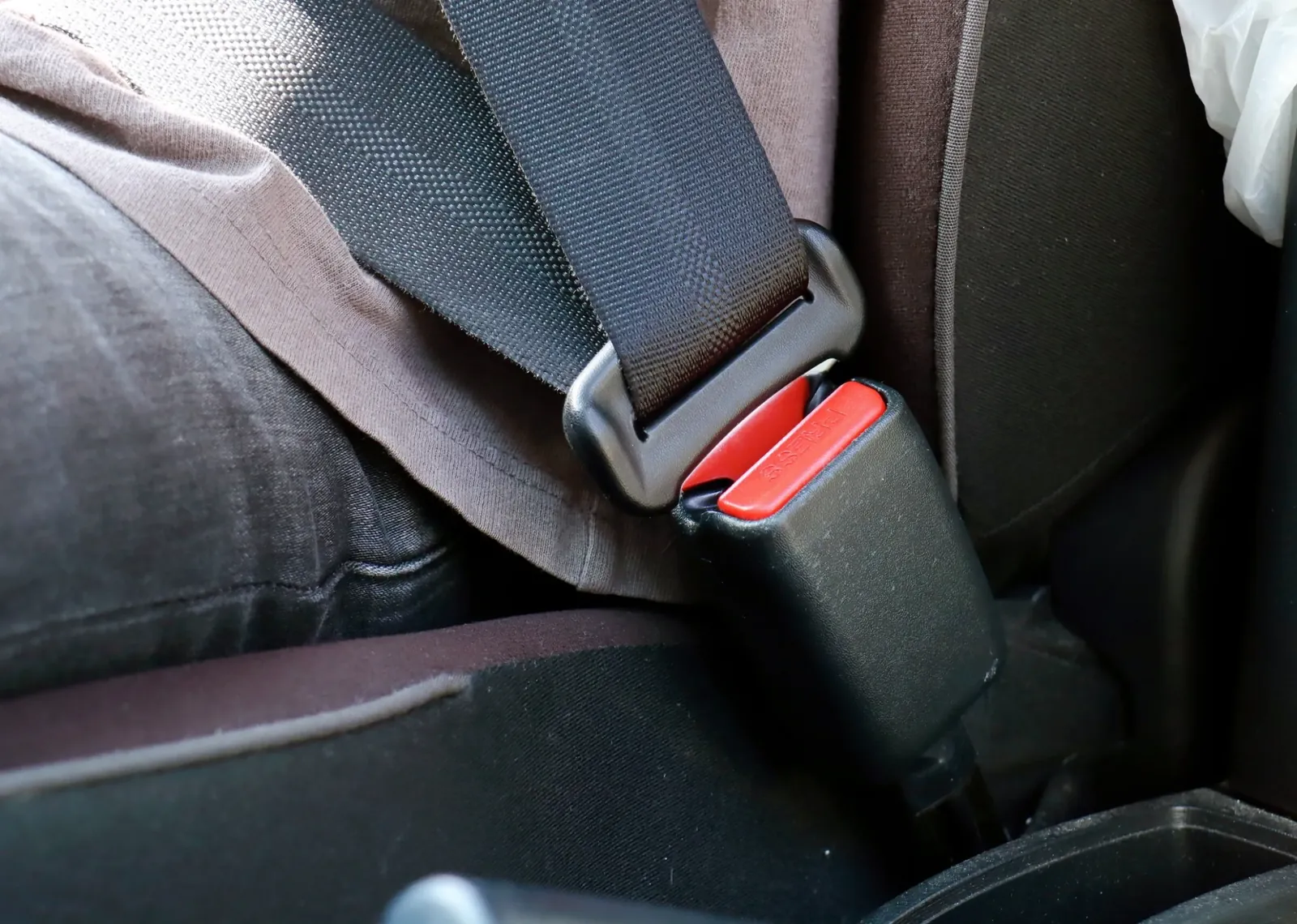
  • Buckle stalk type, length and orientation at the seat.
  • Trim and pillar cover interfaces around the belt path.
Commercial VehiclesAPP / 02

Goods vehicles and passenger-carrying commercial vehicles, where the cabin layout, seat mounting and duty cycle differ markedly from a passenger car. Seats are frequently mounted to the floor structure rather than integrated with a body pillar arrangement.

What usually drives selection

  • Seat mounting arrangement and whether the belt anchors to the seat or the vehicle.
  • Cabin layout, including bench and multi-position seating.
  • Duty cycle — frequency of use across shifts and drivers.
  • Access and clearance around the buckle in a working cab.
Fleet & Multi-Vehicle OperationsAPP / 03

Operators running a number of vehicles of the same or similar type, where the requirement is less about a single fitment and more about consistency across a group and predictable replacement over time.

What usually drives selection

  • How many vehicle variants the requirement actually spans.
  • Whether one specification covers the group or several are needed.
  • Replacement rate and the lead time the operation can absorb.
  • Records that let a repeat order be matched to what was supplied before.
Industrial, Utility & Specialised VehiclesAPP / 04

Off-highway, site and specialised mobility applications where the seat and its mounting differ substantially from road-going vehicles, and where operating conditions place different demands on the installation.

What usually drives selection

  • Seat type and how it is mounted to the machine or vehicle structure.
  • Operating environment, including exposure and contamination.
  • Restraint arrangement appropriate to the seat and its use.
  • Requirements applicable to that class of vehicle or equipment.
Vehicle Assembly, Body-Building & Fit-OutAPP / 05

Build and fit-out operations that consume restraint components as part of a production or conversion process, where the requirement is a defined specification supplied consistently rather than a one-off replacement.

What usually drives selection

  • A specification fixed at the start and held across the build programme.
  • Volumes, phasing and how far ahead the requirement is visible.
  • Documentation the receiving process requires with each delivery.
  • Notification route if anything about the supplied component changes.
Component-Level & Sub-Assembly SupplyAPP / 06

Requirements for individual components rather than a complete belt — a buckle, a retractor, webbing or hardware — where the rest of the installation is being carried over and the interfaces must be preserved.

What usually drives selection

  • Which interfaces have to match parts already fitted.
  • References and markings on the components being retained.
  • Whether the requirement is genuinely a component or actually an assembly.
  • What has changed in the installation since it was first specified.
AP.3 Variables

What Actually Changes Between Applications

When we ask about an application, these are the variables we are trying to establish. Each one can change the answer on its own.

  • Anchorage point positions and orientation
  • Belt routing and required webbing length
  • Retractor mounting and available space
  • Buckle mounting type and stalk length
  • Seat structure and trim interfaces
  • Seating position within the vehicle
  • Duty cycle and operating environment
  • Requirements applicable to that vehicle category

Fitment and compliance

Descriptions on this page are intended to help scope an enquiry. They are not fitment instructions and are not a determination that a component is suitable or permissible for a particular vehicle. Installation should follow the vehicle manufacturer's requirements and be carried out by people competent to do it, and the requirements applicable to the vehicle and market should be established through the appropriate route.

Driver in a passenger car fastening the seat belt across the torso before setting off.
Front outboard position — passenger vehicle
Occupant seated with the seat belt fastened, showing the shoulder and lap sections across the body.
Shoulder and lap sections in position
→ Next Step

Does Your Application Sit in More Than One Category?

That is common, and it is exactly the kind of thing worth talking through before anything is ordered.